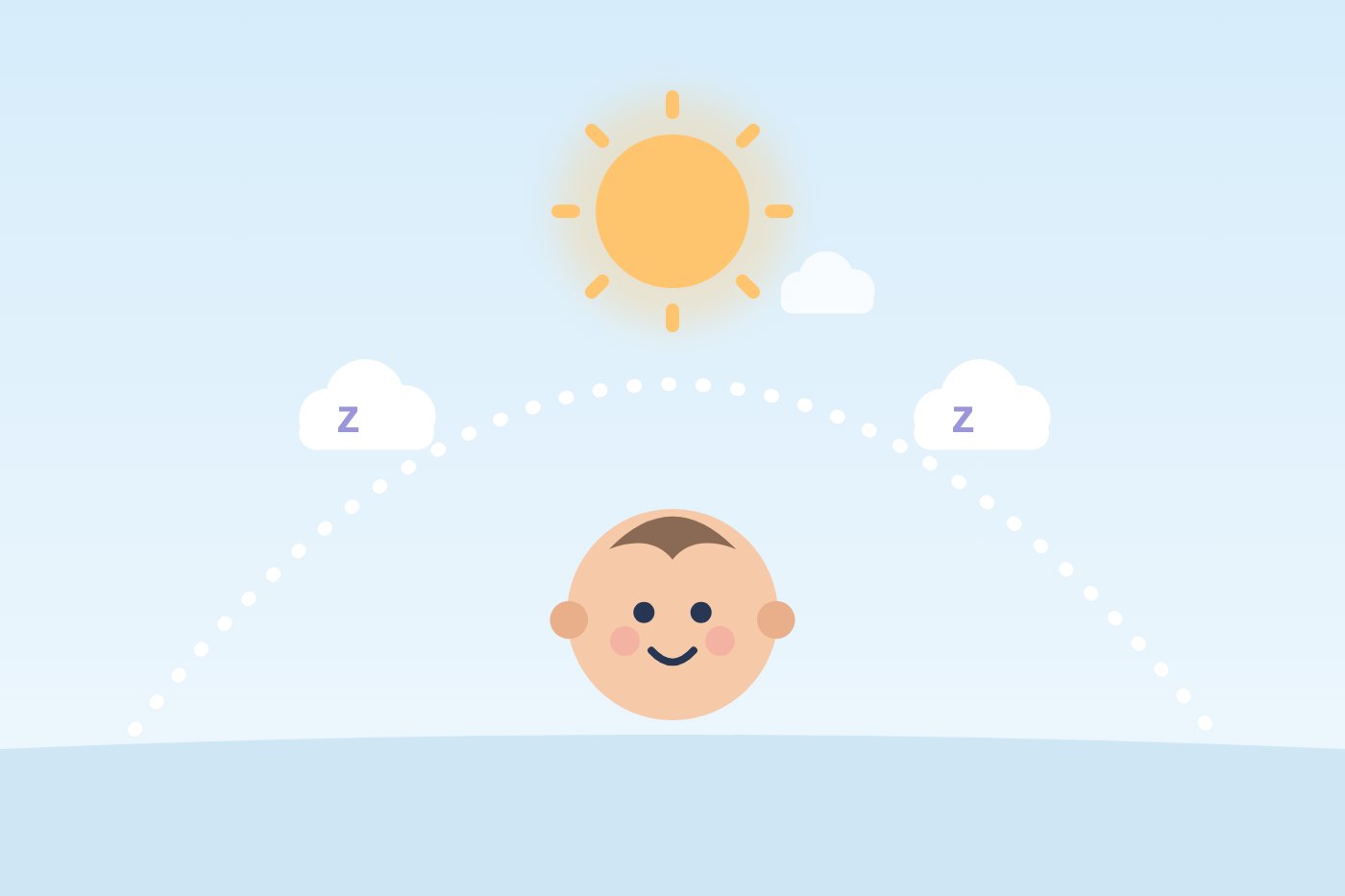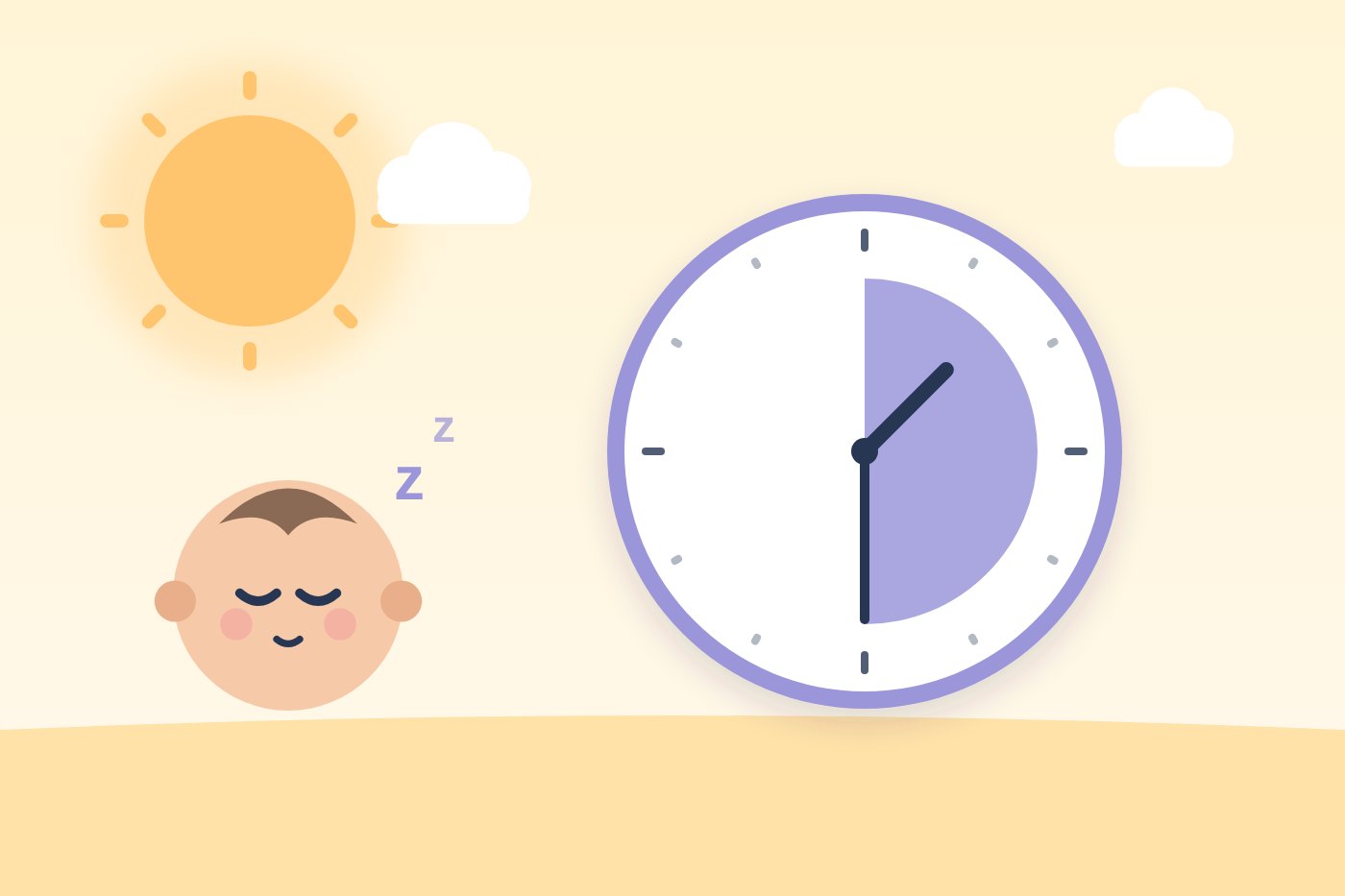
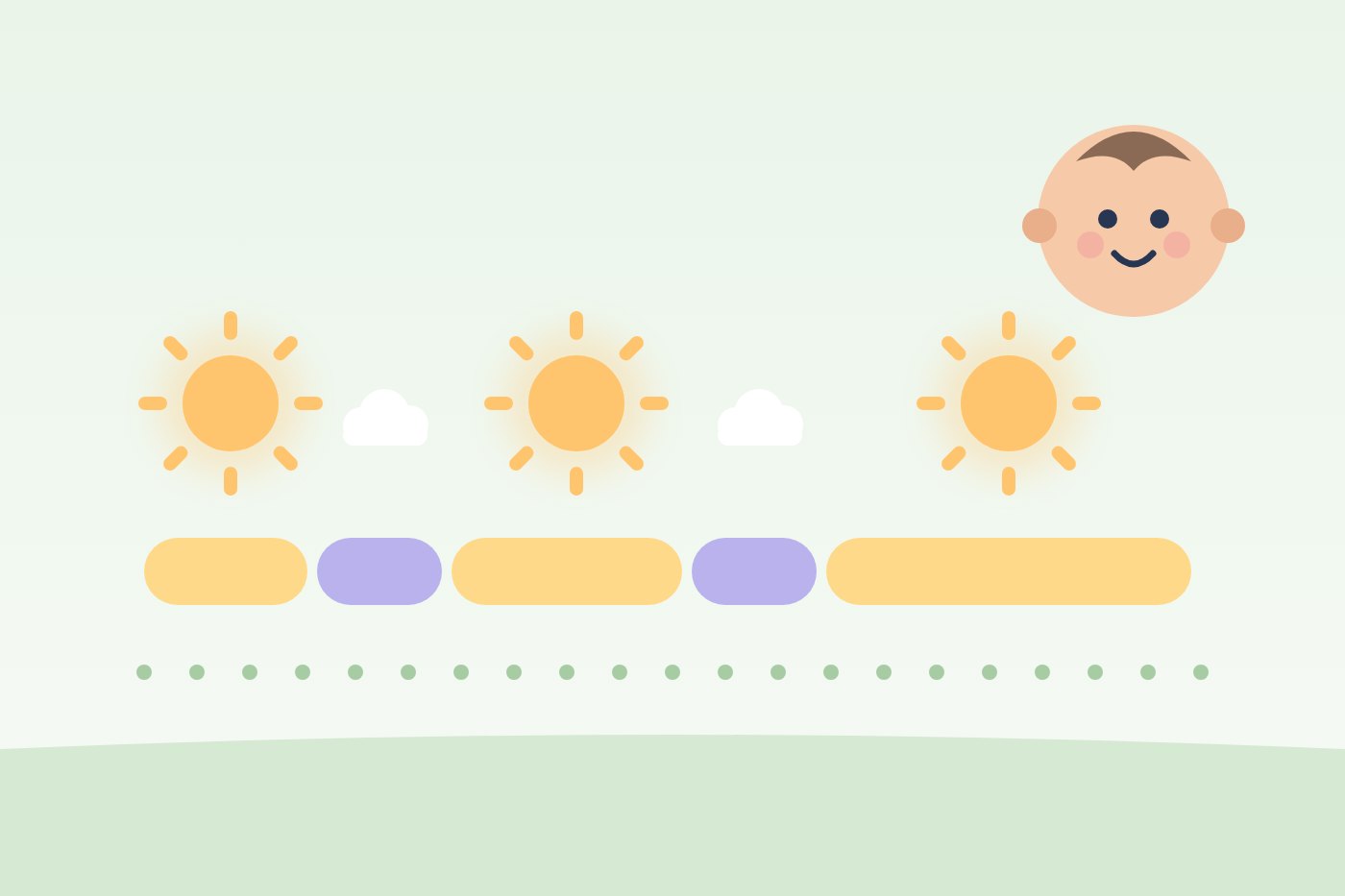
A wake window is the time a baby spends awake between periods of sleep. Count from when your baby wakes until they fall asleep again, including feeding, play, diaper changes and the settling routine.
At six months, many popular guides use orientations of about two to three hours. That figure is not a validated clinical prescription for each baby. The useful point of windows is to help you observe, not to force your child to stay awake or go to sleep on command from an app.
Start with your baby's actual pattern
For a few days, observe how long your baby stays awake before settling relatively easily. Also note the previous nap's length and how your baby seems before the next one.
A baby who has slept for twenty minutes may need to rest sooner than after a long nap. The first window of the day does not have to be the same as the last one either. Illness, a bad night, or a family outing can change needs.
Signs that help, not diagnosed by a yawn
Less interest in play, a distant gaze, yawning or irritability may indicate that it is advisable to slow down. But some signs also appear due to hunger, boredom or discomfort.
Check the context. If your baby has just woken and fusses during a stimulating activity, they may need a feed or a quieter moment rather than another nap. If they have been active for a long time and are becoming unsettled, starting the routine earlier may help.
How to make a small adjustment
Imagine that you always start putting him to sleep at 10:00, but he comes crying and takes a long time to calm down. For several days you can start fifteen minutes earlier and see if it is more bearable.
If he remains happy and clearly awake for a long time in the crib, you can try a slightly later start. Don't interpret a single nap as a definitive answer. Keep the rest of the day flexible enough to accommodate their needs.
Must you wake your baby to preserve the next window?
It is not necessary to systematically interrupt each nap to complete a table. If a specific pattern repeatedly makes it difficult to feed your baby or get a night's rest, it is worth evaluating the entire day with a professional.
As a general reference, the American Academy of Sleep Medicine recommends twelve to sixteen hours in a twenty-four hour period for babies four to twelve months old, including naps. It is a population interval, not an obligation to add exactly a figure or a validation of specific windows.
An app can remember, not decide
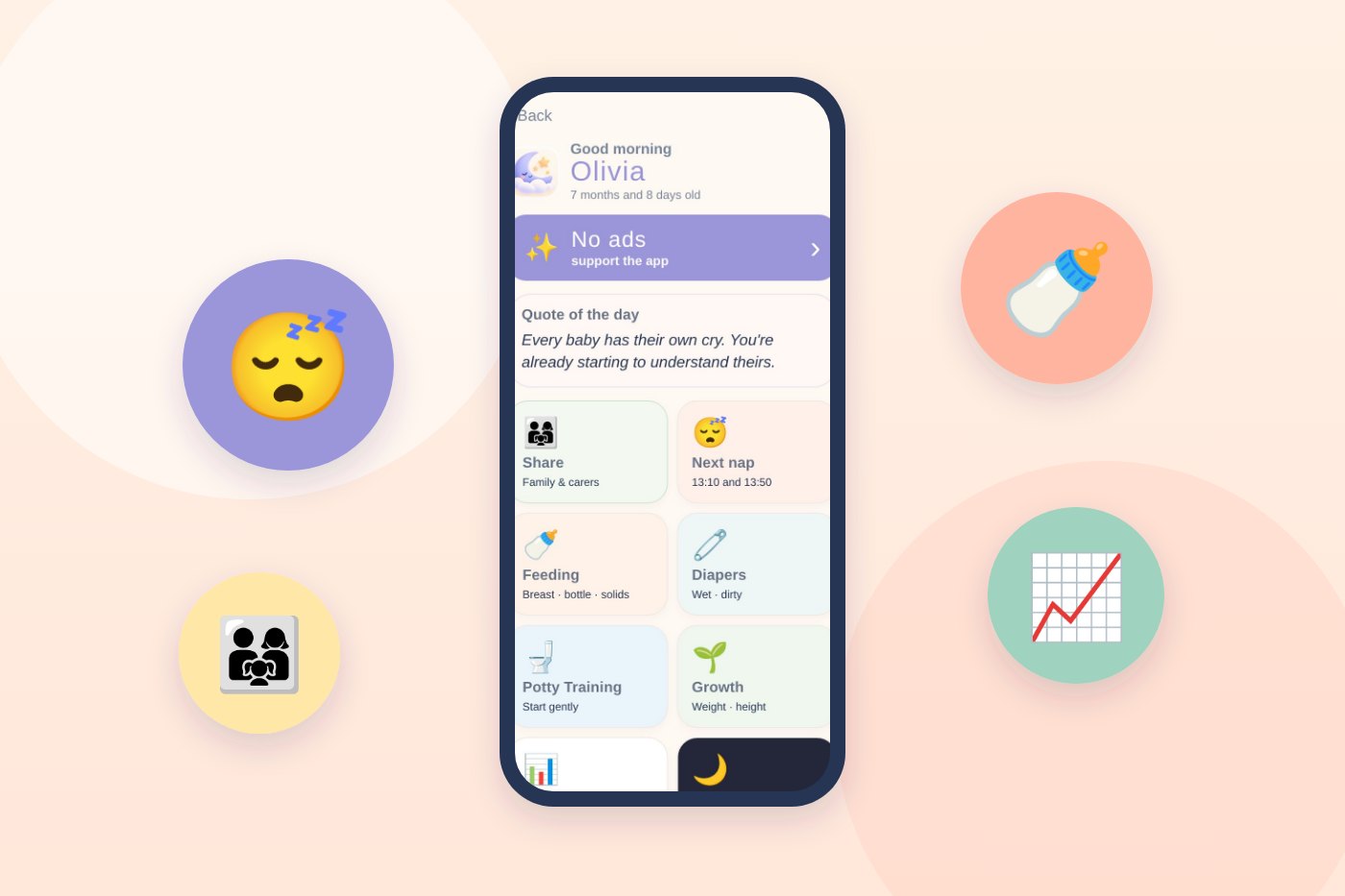
Recording the end of the last nap in BabyZleepy can save calculations. An estimate of the next nap is most useful when combined with hunger, tiredness, and family plans.
It is not necessary to correct each deviation. The goal is to find reasonable breaks and a routine that you can sustain. If the baby shows unusual sleepiness, feeding difficulties, or growth problems, consult instead of trying to fit him better into the schedule.
General information, not medical advice. If you are worried about your baby's sleep, feeding or health, talk to your doctor, midwife or health visitor.